Biometric Device Guide 2026: Smarter Access and Attendance Control
Manual sign-in sheets and swipe cards are fading fast. A modern biometric device reads a fingerprint, face, or palm in under a second, and it delivers accuracy that plastic cards never could. In 2026, businesses across Pakistan and the Gulf treat biometrics as the standard for attendance, access, and security.
This guide breaks down how biometric technology works, where it fits, and how it pairs with queue management to streamline entry and service. Whether you run an office, factory, clinic, or bank, the goal is the same: know exactly who is present and control who gets in.
What Is a Biometric Device and How Does It Work?
A biometric device captures a unique physical trait and converts it into a secure digital template. On each scan, it compares the live reading against stored templates and confirms identity in a moment. No card to lose, no PIN to share, no buddy-punching.
The most common types read fingerprints, faces, or palm veins. Each suits different environments. Fingerprint readers excel in offices, facial recognition works well where hands are full, and palm scanners shine in hygiene-sensitive settings like clinics.
A widely used option is a compact fingerprint reader such as the popular Biometric Device that captures high-quality prints for attendance and identity verification. Devices like this plug into existing software and start enrolling staff within minutes.
Why Biometrics Beat Cards and PINs
Cards get lost, shared, or cloned. PINs get forgotten or leaked. A physical trait cannot be handed to a coworker. That single fact eliminates the most common attendance fraud and tightens security at every door.
Where Biometric Devices Deliver the Most Value
Biometrics solve problems in almost any sector, but a few environments benefit most. Match the use case to the device type for the best results.
- Attendance tracking: Accurate clock-in and clock-out with no proxy punching.
- Access control: Restricting doors, server rooms, and cash areas to authorized staff.
- Visitor management: Verifying identity at reception before granting entry.
- Payroll accuracy: Feeding real hours straight into payroll software.
- Compliance: Keeping tamper-proof records for audits and labor regulations.
How Biometrics Pair With Queue Management
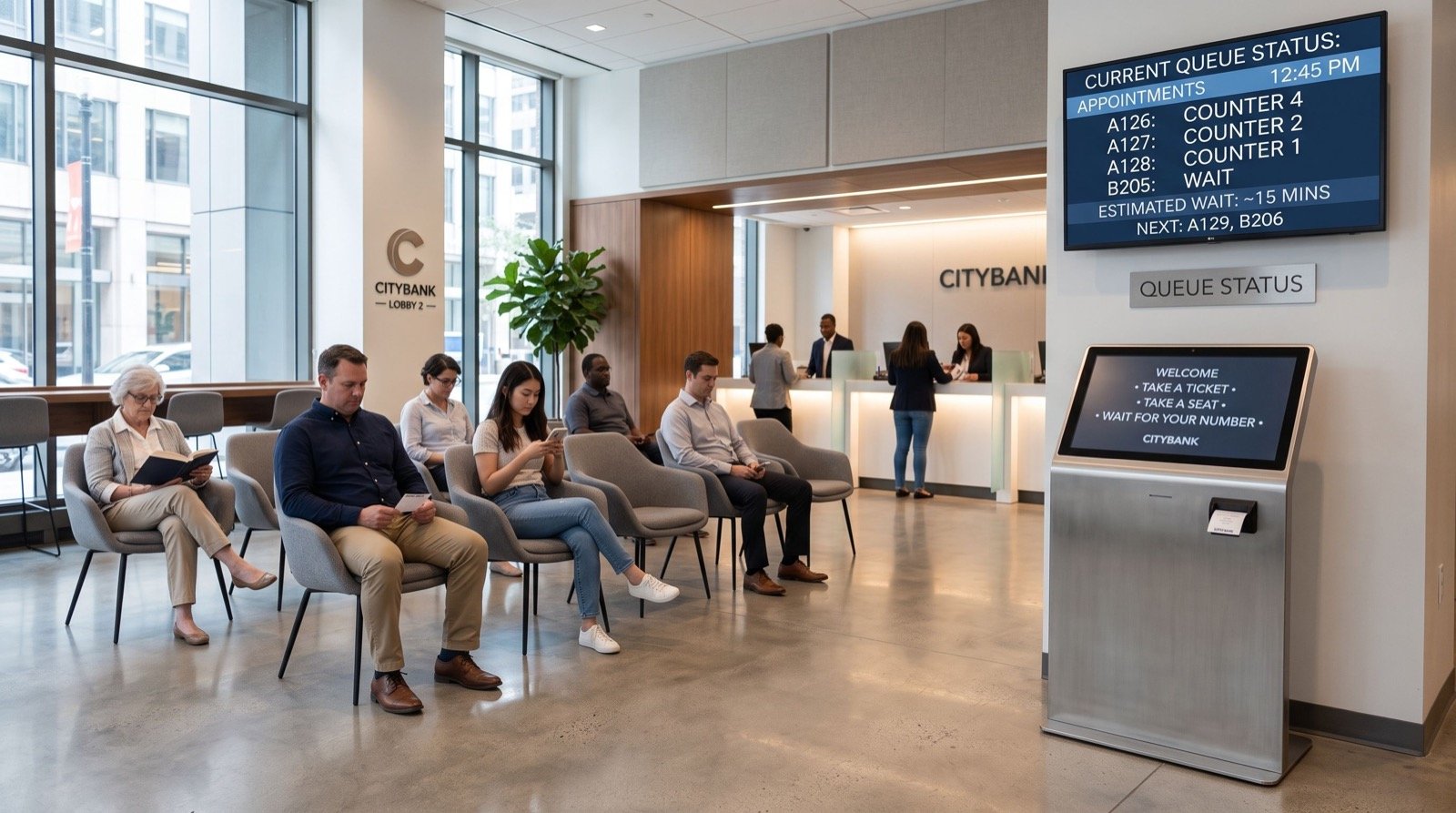
Entry control and crowd flow are two sides of the same coin. In busy service centers, biometric check-in can feed directly into a queuing system, so a verified visitor instantly receives a ticket and a place in line.
Cities with dense foot traffic benefit greatly from this combination. A reliable queue management system in karachi can integrate biometric verification at the door, cutting fraud while keeping the line moving. The result is faster, safer service for high-volume branches.
Can Biometrics Speed Up a Queue?
Yes. When identity is confirmed at entry, staff skip manual verification at the counter. That removes a repeated step and shaves seconds off every interaction. Across hundreds of daily visitors, those seconds add up to meaningfully shorter waits.
Comparing Biometric Types
Choosing the right modality depends on your environment. This table compares the main options.
| Type | Best For | Key Strength |
|---|---|---|
| Fingerprint | Offices, attendance | Fast, affordable, proven |
| Facial recognition | Hands-free entry | Contactless and quick |
| Palm vein | Clinics, labs | Hygienic and hard to spoof |
| Iris scan | High-security sites | Extremely accurate |
Deploying a Biometric System Step by Step
A clean rollout avoids enrollment headaches later. Follow this sequence for a reliable launch.
- Pick the modality: Match fingerprint, face, or palm to your environment.
- Enroll staff: Capture templates carefully for high match accuracy.
- Connect software: Link the device to attendance or access-control systems.
- Set policies: Define which doors and hours each role can access.
- Test and monitor: Review logs for a week and re-enroll any poor templates.
A field-tested tip: enroll two fingers per person, not one. If a primary finger has a cut or bandage, the backup keeps entry smooth and prevents frustrating lockouts at the door.
When choosing an installer, work with quality service providers who handle enrollment, software integration, and staff training rather than dropping off a device and leaving.
Security and Privacy Considerations
Biometric data deserves strong protection. Reputable systems store encrypted templates, not raw images, and they cannot be reverse-engineered into a usable fingerprint or face. Ask any vendor how templates are stored and secured.
Guidance from the National Institute of Standards and Technology highlights template encryption and secure matching as best practices. Choosing devices that follow these standards keeps both your data and your staff protected.
Beyond storage, consider where matching happens. On-device matching keeps templates local and reduces network exposure, while server-side matching centralizes control across many branches. Discuss the trade-off with your provider so the setup fits both your security policy and your growth plans.
Building Staff Trust in Biometrics
Adoption succeeds when staff understand the system. Explain clearly that the device stores an encrypted template, not a photo of their finger or face. Walk new employees through enrollment in person, and share how the data is protected. A short briefing removes most resistance and boosts long-term compliance.
Frequently Asked Questions
How accurate is a modern biometric device?
Today’s readers achieve very high accuracy, with false-match rates measured in tiny fractions of a percent. Fingerprint and iris systems are especially precise. Proper enrollment matters most, since a clean template captured at setup drives reliable daily matching.
Can a biometric device work with a queue system?
Yes. Biometric check-in can trigger automatic ticketing, so a verified visitor joins the queue instantly. This integration reduces fraud, removes manual verification at counters, and keeps high-traffic branches moving faster throughout the day.
What happens if a fingerprint does not read?
Good systems allow multiple enrolled fingers and offer a fallback such as a PIN or card. Enrolling two fingers per person prevents most read failures caused by cuts, moisture, or worn prints, keeping entry smooth.
Is biometric data safe from theft?
Reputable devices store encrypted mathematical templates rather than raw images. These templates cannot be turned back into a usable fingerprint or face. Choosing a vendor that follows recognized security standards keeps the stored data protected.
Conclusion
A modern biometric device delivers accurate attendance, tight access control, and fraud-proof identity verification that cards and PINs cannot match. Paired with a smart queue system, it also speeds up service in busy, high-traffic locations. If manual sign-in and lost cards are holding your business back in 2026, upgrade to biometrics, integrate them with your queuing setup, and take full control of who enters and how they are served.